Daycare Investment & Market Analysis: Cypress, TX (Zip 77433)
- Audit Status: Available / Verified
- Last Reviewed: March 12th, 2026
- Data Freshness: March 2026 Licensing Update
Designed for use by buyers, lenders, and brokers during SBA underwriting
Data sources include ACS, Texas HHSC, public filings
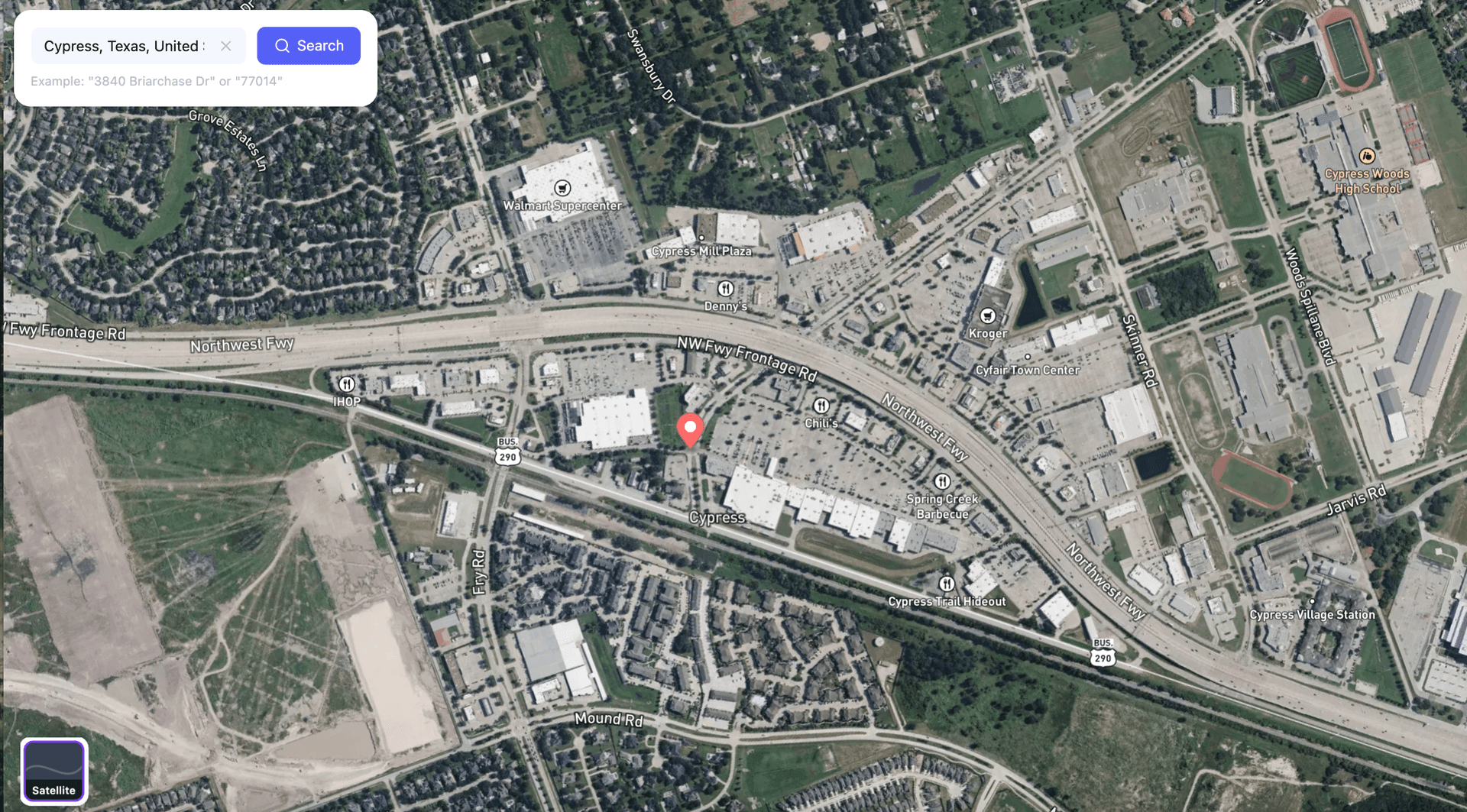
Deal Read: Affluent Growth, Institutional Density
Zip 77433 sits within one of the strongest demographic corridors in northwest Cypress, characterized by rapid family formation and a high concentration of $150k+ households.
While the raw seat gap signals significant undersupply, effective demand narrows meaningfully after accounting for workforce participation, informal care, and nanny substitution.
Simultaneously, the market is structurally anchored by large-format operators — including Kids R Kids and Primrose School — operating at 300–400+ seat scale.
The result is a market where demographic strength coexists with institutional supply density.
Ground-up entry is not purely a demand question; it is a positioning and capture question.
How This Snapshot Is Used in Deals
This snapshot helps anchor pricing conversations and reduce information asymmetry during the deal process.
It is most useful when:
- Buyers need to validate location depth before committing capital.
- Lenders require independent saturation risk assessment for SBA underwriting.
- Franchise committees demand third-party market validation.
- Price negotiations stall over real estate vs. business value.
Disclaimer: This is a data-driven market reference designed to facilitate objective underwriting, not financial advice.

When deeper questions come up
When the snapshot isn’t enough, a Site Report helps clarify:
- Whether there is real, addressable demand to support enrollment — or if the market only looks fine on paper
- Where capacity pressure actually exists, and where it doesn’t, across the surrounding zip codes families realistically choose from
- Whether nearby providers — centers, home-based care, and nannies — are already absorbing demand before it reaches the market
- How drive-time patterns and household profiles shape who would realistically enroll
- Early market signals (recent openings and closures) that may impact enrollment stability over the next 12–24 months