Daycare Investment & Market Analysis: Dayton, TX (Zip: 77535)
- Audit Status: Available / Verified
- Last Reviewed: Feb 9th, 2026
- Data Freshness: Jan 2026 Licensing Update
Designed for use by buyers, lenders, and brokers during SBA underwriting
Data sources include ACS, Texas HHSC, public filings
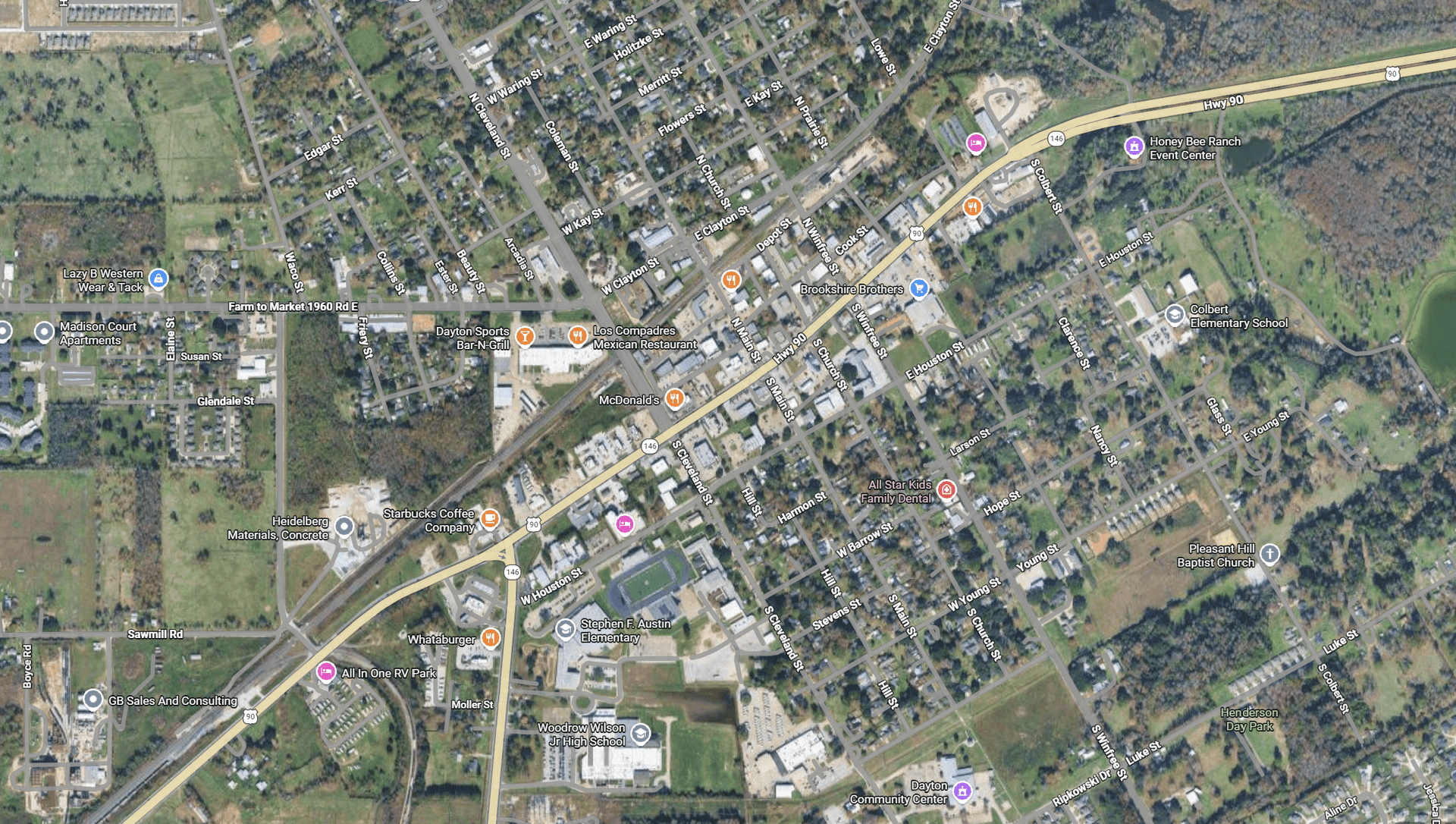
Deal Read: Strong Need with a Price-Sensitive Market
Dayton (ZIP 77535) is a growing, family-heavy market where childcare demand is real and steady. Many households rely on two working parents, and full-day care is a practical need rather than a lifestyle choice.
On the surface, the market looks healthy: families are growing, young children are increasing, and new housing continues to come online.
What matters in real life is how families pay. This is not a luxury-positioned market. While there is a clear shortage of licensed childcare and limited use of in-home nannies, most providers compete on affordability, long hours, and reliability. Parents are willing to stretch, but only up to a point.
The best opportunity here is a well-run, full-day center priced for everyday working families. Success depends on keeping classrooms full, managing costs, and earning trust — not on high tuition or luxury positioning.
How This Snapshot Is Used in Deals
This snapshot helps anchor pricing conversations and reduce information asymmetry during the deal process.
It is most useful when:
- Buyers need to validate location depth before committing capital.
- Lenders require independent saturation risk assessment for SBA underwriting.
- Franchise committees demand third-party market validation.
- Price negotiations stall over real estate vs. business value.
Disclaimer: This is a data-driven market reference designed to facilitate objective underwriting, not financial advice.

When deeper questions come up
When the snapshot isn’t enough, a Site Report helps clarify:
- Whether there is real, addressable demand to support enrollment — or if the market only looks fine on paper
- Where capacity pressure actually exists, and where it doesn’t, across the surrounding zip codes families realistically choose from
- Whether nearby providers — centers, home-based care, and nannies — are already absorbing demand before it reaches the market
- How drive-time patterns and household profiles shape who would realistically enroll
- Early market signals (recent openings and closures) that may impact enrollment stability over the next 12–24 months